Category: Smart Tips for Moms

Discover practical mom tips and advice to make everyday parenting easier, happier, and more enjoyable. Explore helpful ideas for parenting, family life, kids’ health and nutrition, home organization, self-care, and more. Whether you’re a new mom or an experienced parent, find useful tips for moms to help you care for your family while making time for yourself.

  • How to teach your child to ride a bike

    How to teach your child to ride a bike

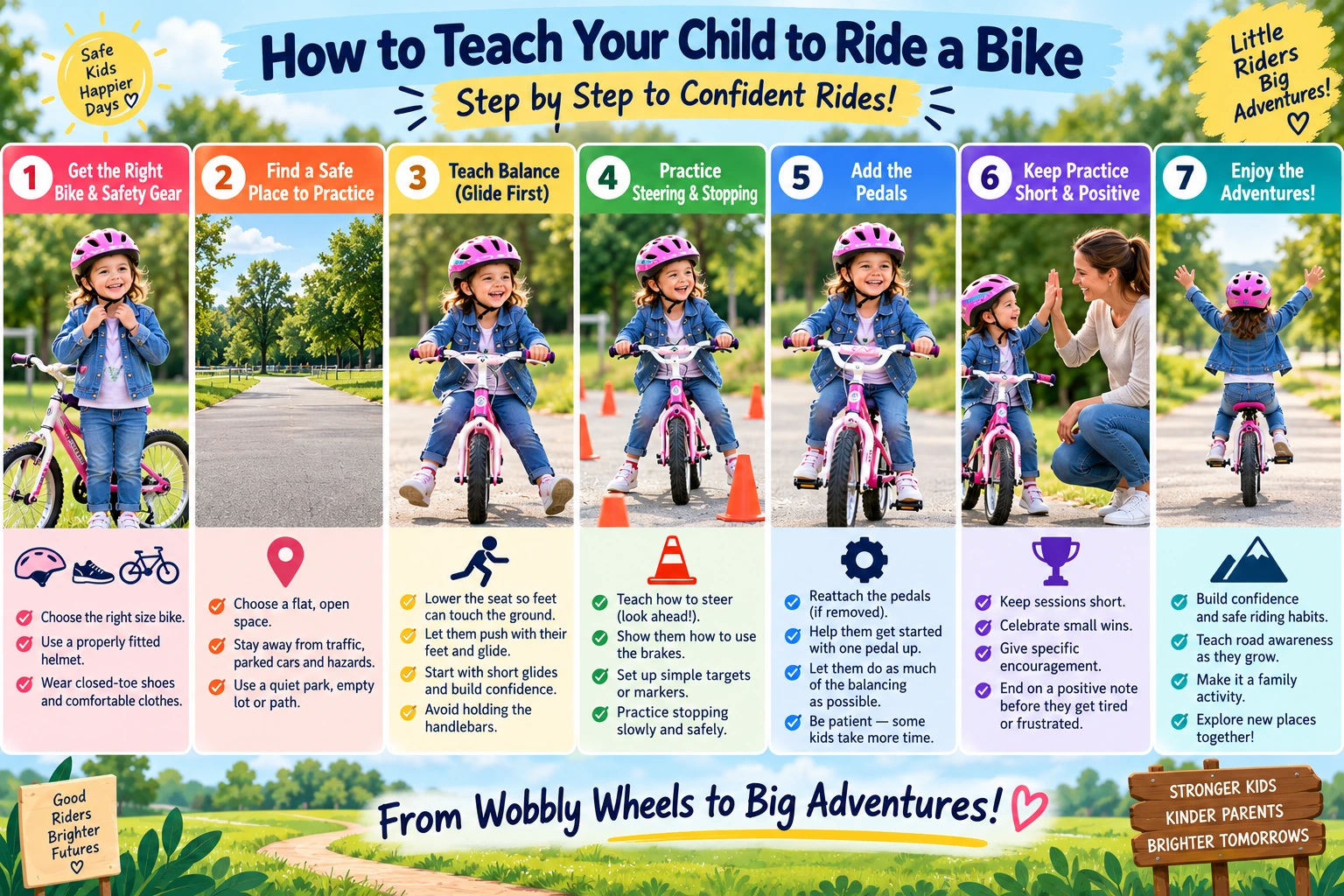
    A step-by-step visual guide showing parents how to teach children to ride a bike, covering proper safety gear, balance, steering, braking, pedaling, practice, and encouragement for a safe and confident riding experience.

    Teaching your child to ride a bike is one of those exciting childhood milestones you’ll both remember for years. With patience, encouragement, and the right approach, those first wobbly rides can gradually turn into confident adventures. The key is to keep the experience safe, positive, and fun.

    Whether your child is moving up from a balance bike or getting on a bicycle for the first time, this step-by-step guide can help make learning easier for both kids and parents.

    1. Start With the Right Bike and Safety Gear

    Before your child begins riding, make sure the bicycle is the right size. Your child should be able to comfortably reach the handlebars and controls. When learning to balance, being able to place their feet on the ground can help them feel more secure.

    A properly fitted bicycle helmet is essential. Make sure it sits level on your child’s head and is securely fastened according to the helmet manufacturer’s instructions.

    Closed-toe shoes and comfortable clothes are also good choices. Avoid loose clothing or shoelaces that could become caught in moving parts of the bicycle.

    2. Choose a Safe Place to Practice

    The right practice area can make a huge difference.

    Look for a flat, open space away from traffic, parked cars, steep hills, and other hazards. An empty paved area, quiet park path, or another legal traffic-free space can work well.

    Avoid beginning on a busy sidewalk or street. Your child needs room to wobble, stop, and make mistakes without worrying about vehicles or crowded surroundings.

    3. Teach Balance Before Pedaling

    Balance is one of the most important skills a new cyclist needs to learn.

    If possible, lower the seat enough for your child to comfortably put their feet down. On a suitable bike, removing the pedals temporarily can also allow a child to practice using it like a balance bike.

    Encourage your child to push along with their feet and then lift them briefly to glide.

    Start with very short glides. As your child becomes more comfortable, encourage slightly longer ones.

    Try to avoid holding the handlebars while your child rides. Children need to learn how the bike responds to their own movements. If they need support, you can steady them gently around the torso or back while allowing them to control the handlebars.

    4. Practice Steering and Stopping

    Before adding speed, teach your child how to slow down and stop.

    Show them how their bicycle’s brakes work and let them practice using them while moving slowly. Different bicycles can have different braking systems, so make sure your child understands the specific bike they are riding.

    Set up simple targets or markers and ask your child to ride toward them, gently steer around them, and stop at a designated point.

    Remind them to look where they want to go rather than staring down at the front wheel. Looking ahead can make steering and balance easier.

    5. Add the Pedals

    Once your child can glide, steer, and stop with reasonable confidence, it may be time to start pedaling.

    If you removed the pedals earlier, put them back on securely.

    Help your child position one pedal slightly upward so they can push down on it to begin moving. Give gentle support if necessary, but allow your child to do as much of the balancing as possible.

    Some children understand pedaling quickly. Others need several practice sessions.

    Both are completely normal.

    6. Keep Practice Short and Positive

    Children can become tired or frustrated surprisingly quickly when learning a new physical skill.

    Instead of one long lesson, try shorter practice sessions. Finish while your child still feels positive rather than continuing until everyone is exhausted.

    Celebrate small improvements.

    Maybe today your child balanced for three seconds. Tomorrow it might be five. Perhaps they finally remembered to look ahead or managed to stop without help.

    Those little achievements are real progress.

    Try saying things such as, “You balanced much longer that time!” or “Great job remembering to look ahead.”

    Specific encouragement helps children notice what they are learning.

    What If Your Child Is Scared?

    Fear is understandable. Riding a bicycle requires children to coordinate balance, movement, steering, and stopping while learning to trust themselves.

    If your child becomes nervous, reduce the difficulty.

    Go back to walking with the bike, short glides, or practicing braking. Let your child become comfortable before moving on.

    Avoid comparing them with siblings, classmates, or neighborhood children. Some kids learn in an afternoon, while others need many sessions.

    The goal is confidence—not speed.

    Teach Bike Safety From the Beginning

    Learning how to pedal is only part of learning how to ride.

    Children also need age-appropriate bicycle safety habits. Teach your child to wear a properly fitted helmet every time they ride and to stop before entering streets, driveways, or intersections.

    Children should learn to watch for cars, pedestrians, other cyclists, obstacles, and changing road conditions.

    Where children are allowed to ride—and whether they are ready to ride near traffic—depends on their age, skills, supervision, and local laws. Younger or inexperienced riders should practice in safer traffic-free environments with adult supervision.

    As your child becomes more independent, continue reinforcing safe riding habits and the road rules that apply where you live.

    Common Mistakes Parents Can Avoid

    One common mistake is pushing a child to progress too quickly. If your child is still struggling with balance, adding pedals and speed may make learning more stressful.

    Another is holding onto the bicycle too tightly. Although your instinct may be to prevent every wobble, your child needs opportunities to feel how the bicycle balances.

    Also, try not to turn practice into a test.

    Falling, stopping suddenly, putting a foot down, or riding only a few feet are all normal parts of learning.

    Make It a Family Activity

    Once your child becomes comfortable riding independently, cycling can become a wonderful family activity.

    Start with short rides in safe places and gradually increase the distance as your child’s skills and stamina improve.

    Bring water, take breaks, and choose routes appropriate for your child’s ability.

    Family bike rides aren’t just exercise. They can be opportunities to explore the neighborhood, visit parks, spend time outdoors, and create memories together.

    From Wobbly Wheels to Big Adventures

    Watching your child ride independently for the first time can be an unforgettable parenting moment. But getting there doesn’t need to be a race.

    Start with the right equipment, focus on balance, introduce steering and braking, add pedaling when your child is ready, and keep plenty of encouragement in the process.

    A few wobbles are part of learning.

    With practice and patience, your little rider can gain not only a new skill but also confidence, independence, and a whole new way to explore the outdoors.

    Little riders, big adventures!
  • How I Support My Child’s Immunity: A Practical Guide for Moms

    How I Support My Child’s Immunity: A Practical Guide for Moms

    Supporting your Childs Immunity

    Every mom knows the feeling: one child at school gets a cold, and suddenly you’re wondering what you can do to keep the whole family healthy.

    Is it vitamin C? Zinc? Probiotics? A multivitamin? Or some special “immune-boosting” food?

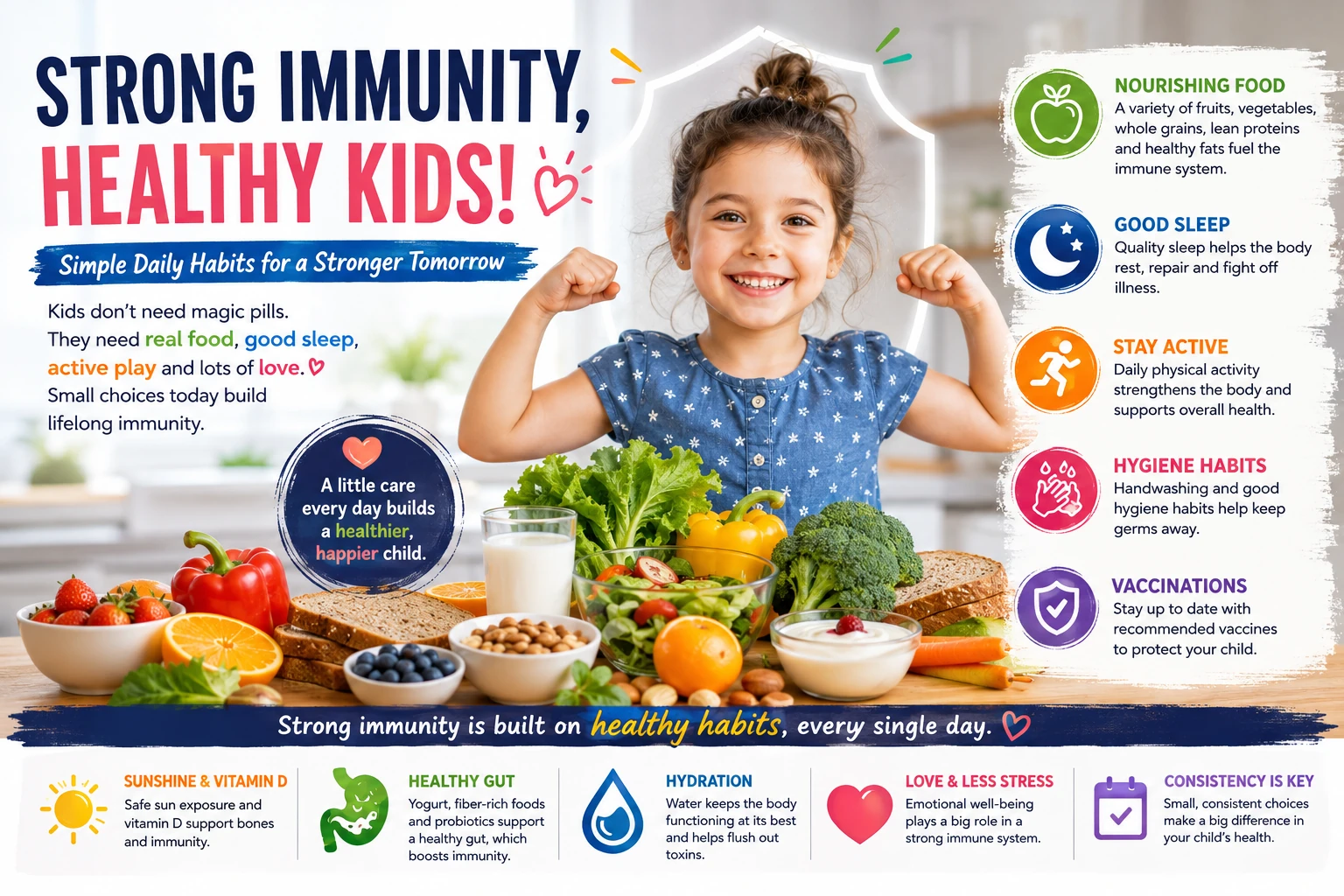
    The reassuring answer is that there usually isn’t one miracle food or supplement. A healthy immune system is built on consistent everyday habits.

    And children getting an occasional cold doesn’t necessarily mean they have “weak immunity.” Kids naturally encounter germs as they grow, play and spend time around other children.

    Start with food, not an overflowing supplement cabinet

    For most healthy children, the best nutritional strategy is simply variety.

    Try to regularly rotate foods from these groups:

    • Colorful fruits: oranges, berries, kiwi, guava, mango and papaya
    • Vegetables: carrots, sweet potatoes, tomatoes, broccoli, spinach and bell peppers
    • Protein: eggs, beans, lentils/dal, tofu, chicken, fish, yogurt and other appropriate protein sources
    • Whole grains: oats, whole-wheat bread/roti, brown rice and other whole grains
    • Healthy fats: nuts and nut butters, seeds, avocado and appropriate cooking oils
    • Calcium-rich foods: milk, yogurt, cheese or suitable fortified alternatives

    You don’t have to create a “perfect immunity plate” every day. Look at what your child eats across the week, rather than worrying about one imperfect meal.

    What about vitamin C?

    Vitamin C is important for normal immune function, but that doesn’t mean children need vitamin C gummies every day.

    Fruit and vegetables are excellent sources and provide fiber and many other nutrients at the same time. The AAP notes that although vitamin C supplementation may modestly affect cold duration or severity for some people, there isn’t evidence that vitamin C supplements prevent children from catching colds in the first place.

    So instead of automatically reaching for a supplement, make vitamin-C-rich foods part of everyday meals and snacks.

    Vitamin D deserves a little more attention

    Vitamin D plays an important role in bone health as well as immune function. Unlike many trendy “immunity” supplements, children do have established vitamin D requirements.

    The AAP recommends 400 IU (10 mcg) daily for infants under 1 year and 600 IU (15 mcg) daily for children over 1 year, considering their overall intake and individual circumstances. Whether your child actually needs a supplement is something to discuss with their pediatrician, particularly when dietary intake is inadequate.

    And what about zinc?

    Zinc is another nutrient the immune system needs—but more isn’t better.

    Rather than routinely giving children high-dose zinc supplements, include zinc-containing foods such as meat, seafood where appropriate, beans, lentils, dairy, nuts, seeds and fortified foods.

    If you’re concerned that your child isn’t getting enough because of picky eating, dietary restrictions or another reason, bring it up with your pediatrician rather than guessing at a supplement dose.

    Don’t forget the gut

    The gut microbiome and immune system are closely connected, which is one reason probiotics get so much attention.

    But you don’t necessarily need an expensive probiotic powder.

    Foods such as yogurt and kefir can provide beneficial cultures, while fiber-rich foods such as whole grains, bananas, onions, beans and vegetables help nourish beneficial gut microbes. The AAP recommends discussing probiotic supplements with your child’s pediatrician rather than routinely giving them to every child.

    The most underrated “immunity supplement”? Sleep.

    Nutrition gets most of the attention, but don’t overlook the basics.

    A predictable bedtime, age-appropriate sleep, daily physical activity, time outdoors, good hand hygiene, routine health care and recommended vaccinations all contribute to keeping children healthy. Vaccines are particularly important because they train the immune system to recognize specific disease-causing germs.

    A simple immunity-friendly day could look like this

    Breakfast might be eggs with whole-grain toast and fruit, or oatmeal topped with yogurt and berries.

    For a snack, offer fruit with yogurt or an age-appropriate nut/seed butter. Lunch could be dal with rice and vegetables, beans with whole grains, or chicken/fish/tofu with vegetables.

    An afternoon snack might be yogurt, fruit, cheese or another minimally processed option, followed by a family dinner containing a protein, vegetables and a grain or starch.

    It doesn’t need to be fancy—and your child certainly doesn’t need to eat every “superfood” on Instagram.

    So, which supplements are a must?

    For most healthy children, there isn’t a universal stack of vitamin C + zinc + probiotics + multivitamins that every child needs.

    The AAP states that healthy children eating a normal, well-balanced diet generally don’t need vitamin supplements beyond meeting their recommended nutrient requirements. Supplements may be appropriate when a child has a diagnosed deficiency, a very restrictive diet, inadequate nutrient intake or a medical condition that increases deficiency risk.

    It’s also important to remember that supplements aren’t automatically harmless because they’re marketed as “natural.” Excessive doses of vitamins—including vitamins A and D—can be toxic.

    The takeaway for moms

    Instead of asking “What can I give my child to boost immunity?”, try asking:

    “What can I consistently do to support their immune system?”

    Think variety on the plate, enough protein, plenty of fruit and vegetables, healthy fats, adequate vitamin D, good sleep, physical activity, appropriate hygiene, recommended vaccines—and a little less pressure to make every meal perfect.

    Those simple habits aren’t as exciting as an “immune-boosting” gummy, but they’re a much stronger foundation for a healthy family.

    This article is for general educational purposes and isn’t individualized medical advice. Check with your child’s pediatrician before starting vitamins, minerals, probiotics or herbal supplements, particularly for babies, children taking medication, or children with medical conditions

  • Sign that your child is getting ready for preschool!

    Sign that your child is getting ready for preschool!

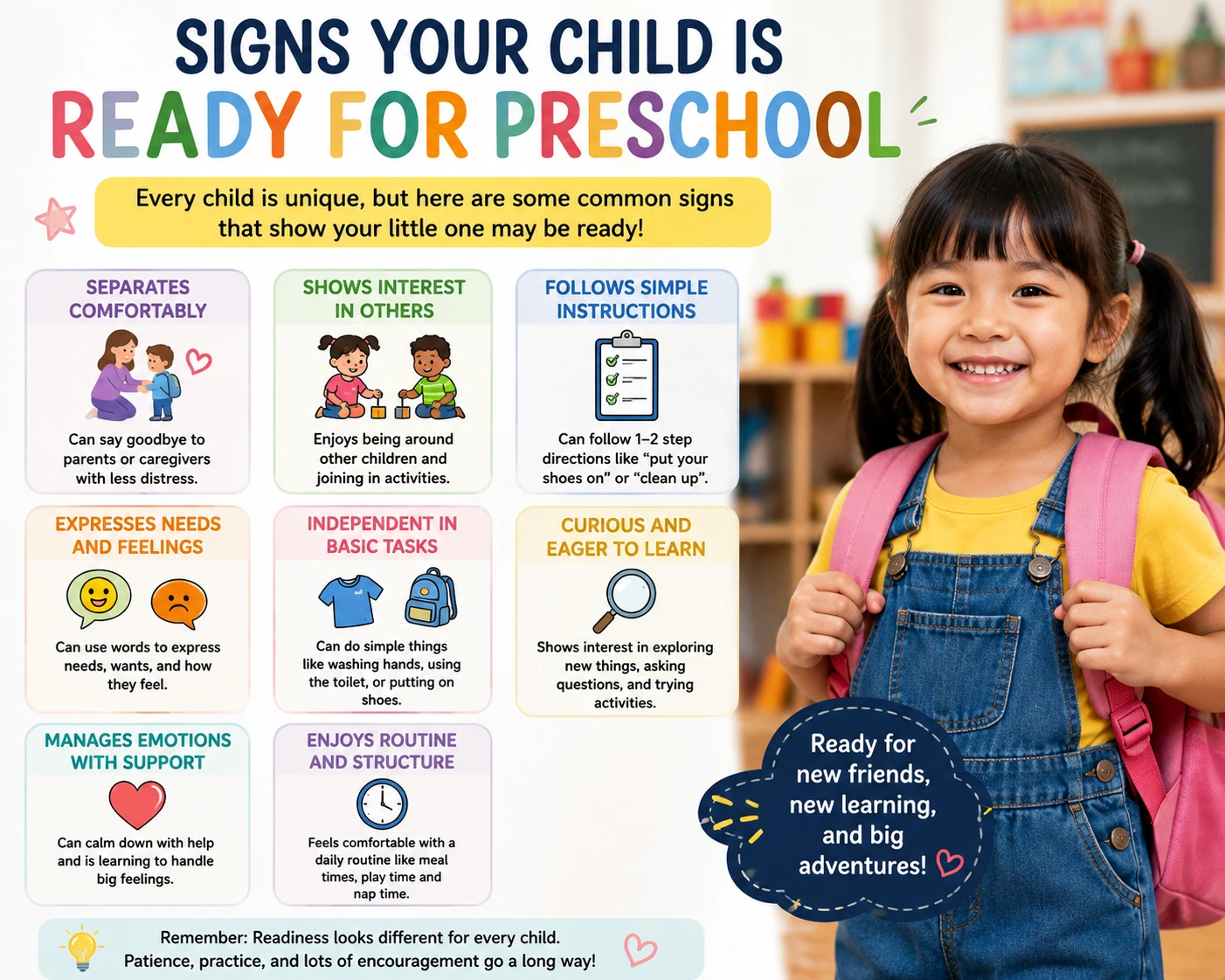
    Starting preschool is an exciting milestone for both children and parents. Every child develops at their own pace, but certain preschool readiness signs can help parents understand when their little one may be ready for this new adventure. These signs can include separating comfortably from parents, showing interest in other children, following simple instructions, expressing needs and feelings, completing basic tasks independently, and enjoying familiar routines.

    Preschool readiness isn’t about being perfect or mastering every skill before the first day. With patience, encouragement, and plenty of practice at home, parents can help children build confidence, independence, social skills, and a positive attitude toward learning.

  • 5 Tips for moms

    5 Tips for moms

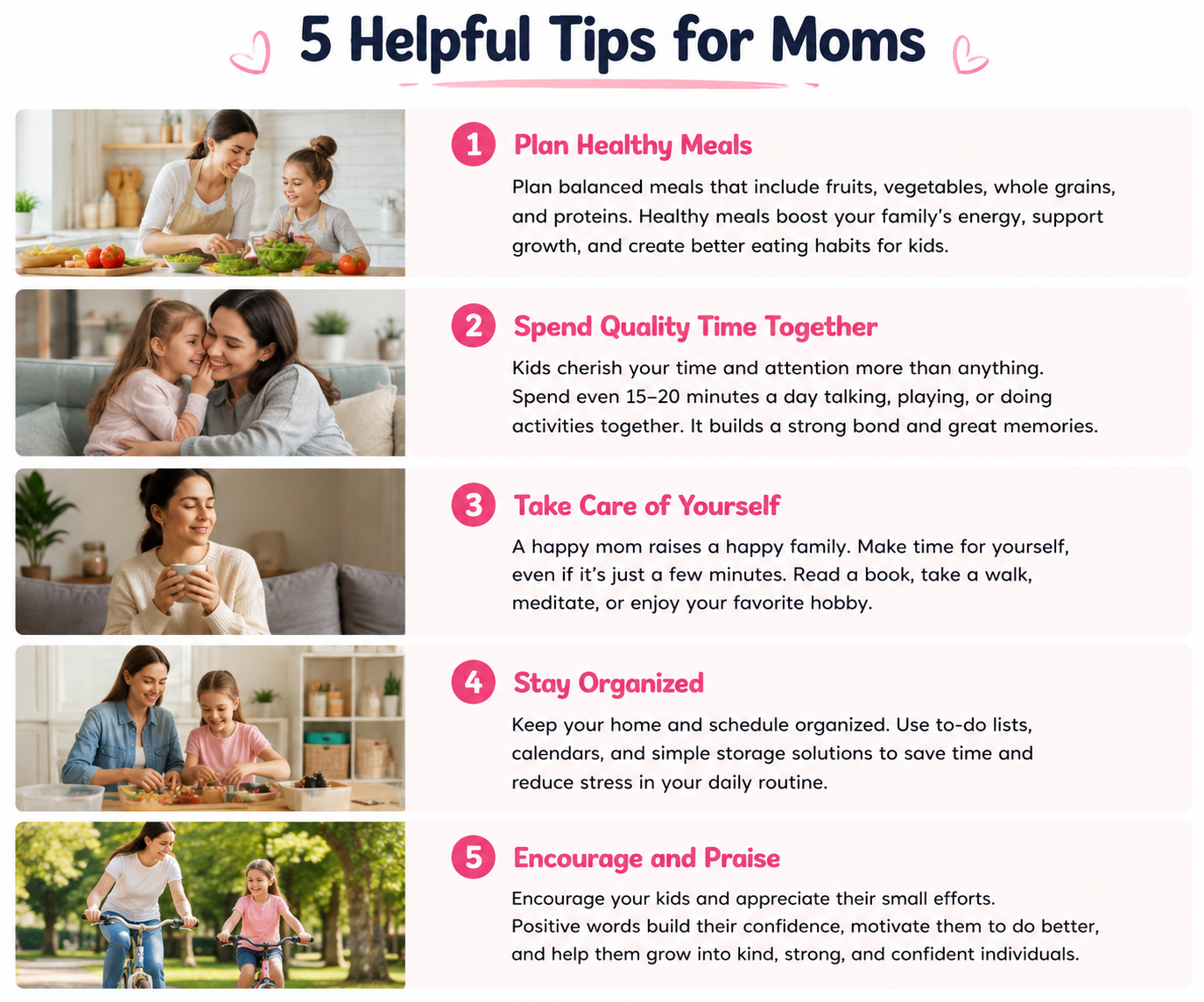
    Discover helpful parenting tips, kids nutrition advice, preschool activities, learning ideas, and everyday inspiration for moms raising young children. KiddiesTV Blog shares simple, practical ideas to help families encourage healthy habits, support early learning, spend quality time together, and raise happy, confident kids.