Healthy Eating for Happy, Strong Kids: A Mom’s Guide to Kids’ Nutrition
As moms, we think about our children’s health every single day. Are they sleeping enough? Are they active enough? Are they growing properly? And, of course, one of the biggest questions: Are they eating well enough?
Good nutrition during childhood is about much more than simply getting children to finish what is on their plates. Food provides the building blocks children need for growth, learning, play, immunity, and healthy development. Just as importantly, childhood is when many lifelong eating habits begin to take shape. The World Health Organization (WHO) emphasizes that healthy dietary practices begin early in life and that environments such as homes and schools can play an important role in developing healthy eating habits.
The good news for busy moms is that feeding children well does not require complicated recipes, expensive “superfoods,” or a perfectly planned menu every day. A healthy approach is usually much simpler: provide a variety of nutritious foods, make healthy choices easily available, establish positive mealtime habits, and give children time to learn to enjoy different foods.
What Does a Balanced Diet for Kids Look Like?
Children need variety because no single food can provide everything a growing body needs. A balanced family diet can include whole grains or other staple foods, vegetables, fruits, pulses and beans, dairy or suitable alternatives, eggs, fish, meat or other protein-rich foods, and healthy sources of fat.
WHO describes a healthy diet as one that includes a wide variety of foods eaten in combination, including staples such as cereals, legumes such as lentils and beans, vegetables, fruits, and animal-source foods such as eggs, milk, fish, and meat where these are part of the family’s diet.
Instead of worrying about making every single meal perfect, think about balance across the entire day or week.
For example, a child’s day might include oatmeal or vegetable poha with milk at breakfast, fruit as a snack, dal with rice and vegetables for lunch, yogurt with fruit in the afternoon, and roti with paneer, egg, chicken, beans, or another protein source alongside vegetables for dinner.
Different cultures have different foods, and that is absolutely fine. Healthy nutrition doesn’t have to look the same in every household.
Protein: Fuel for Growing Bodies
Protein plays an important role in children’s growth and development. Fortunately, there are plenty of kid-friendly sources.
Eggs, lentils, beans, chickpeas, yogurt, milk, paneer, tofu, fish, chicken, meat, peas, and nut or seed products can all contribute protein to a child’s diet.
Rather than focusing on protein powders or special packaged products, most healthy children can get important nutrients through a varied everyday diet. If you’re concerned that your child isn’t getting enough protein or is following a restrictive diet, discuss their individual needs with a pediatrician or qualified dietitian.
Make Fruits and Vegetables Normal, Not a Battle
Many parents know the familiar scene: you lovingly prepare vegetables, place them on the table, and your child immediately announces, “I don’t like that!”
Try not to turn vegetables into a daily argument.
Children sometimes need repeated opportunities to become comfortable with unfamiliar foods. Keep offering fruits and vegetables in different forms without forcing children to eat them.
A child who refuses cooked carrots might enjoy raw grated carrot. A child who dislikes plain spinach may accept it mixed into dal, an omelette, pasta sauce, paratha, or another familiar dish.
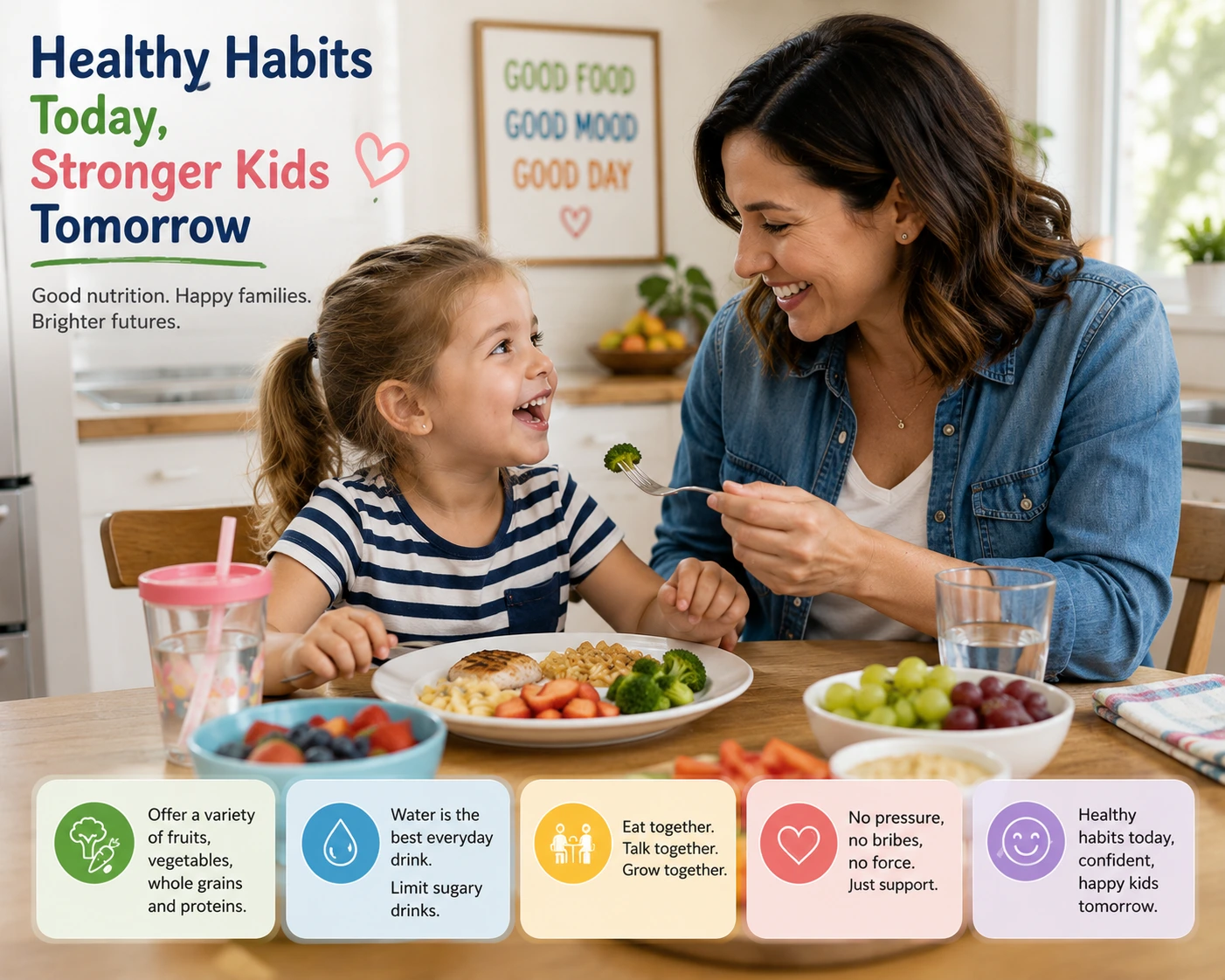
Make colourful foods easy to reach. Keep washed fruit available, add vegetables to meals children already enjoy, and allow children to choose between two nutritious options: “Would you like cucumber or carrots with lunch?”
Small choices give children a sense of independence while parents still decide what foods are available.
Don’t Forget Iron, Calcium and Other Important Nutrients
Growing children require many vitamins and minerals. Iron and calcium are among the nutrients parents frequently hear about.
Iron-rich foods can include lentils, beans, eggs, meat, poultry, fish, fortified cereals, and certain leafy vegetables. Calcium-rich choices include milk, yogurt, cheese, paneer, and appropriate fortified alternatives.
Variety matters because children need much more than one or two individual nutrients. A colourful, diverse diet helps provide different vitamins, minerals, protein, carbohydrates, fats, and other components needed for development.
Nutritional requirements also change with a child’s age, growth, activity level, and individual circumstances. That is why supplements should not automatically replace a balanced diet unless a healthcare professional recommends them.
Water Should Be the Everyday Drink
Children can easily become interested in sweet drinks, especially when colourful packaging makes them look exciting.
For everyday hydration, make water the normal choice.
Keep children’s water bottles accessible and remind younger kids to drink throughout the day. Milk can also contribute valuable nutrients when appropriate for the child’s age and diet, but sugary drinks shouldn’t become the default way to satisfy thirst.
WHO guidance on healthy food environments encourages increasing children’s access to foods and beverages that support healthy diets while limiting less nutritious options.
Be Smart About Packaged Snacks
Packaged foods are convenient, and busy families don’t need to feel guilty about occasionally using them. The goal isn’t to create a household where certain foods are treated as forbidden.
Instead, try to make everyday snacks nutritious most of the time.
Simple options include fruit with yogurt, boiled eggs, corn, roasted chickpeas, homemade sandwiches, vegetable sticks with hummus, idli, dosa, paneer pieces, or other familiar family foods.
Children are also heavily influenced by food marketing. WHO notes that food marketing aimed at children frequently promotes products high in saturated fat, free sugars, or sodium and can influence children’s food preferences and requests.
Teaching children to understand that colourful packaging and cartoon characters don’t automatically mean a food is an everyday healthy choice can be a useful nutrition lesson as they grow older.
What About Picky Eaters?
Picky eating can make mealtimes exhausting, but pressure often makes the experience more stressful.
A helpful approach is to separate the parent’s responsibility from the child’s responsibility. Parents can decide what foods are offered, when meals happen, and where the family eats. Children can gradually learn to recognize whether they are hungry and how much they want to eat.
Try serving at least one familiar food alongside something new. If your child doesn’t eat the new food, avoid immediately turning dinner into a negotiation.
WHO’s guidance for young children encourages responsive feeding: caregivers should feed patiently, encourage children without forcing them, and experiment with different food combinations when children refuse foods.
The goal isn’t to “win” dinner. The goal is to help children develop a comfortable, positive relationship with food.
Make Healthy Food Fun
Children are naturally curious, so involve them.
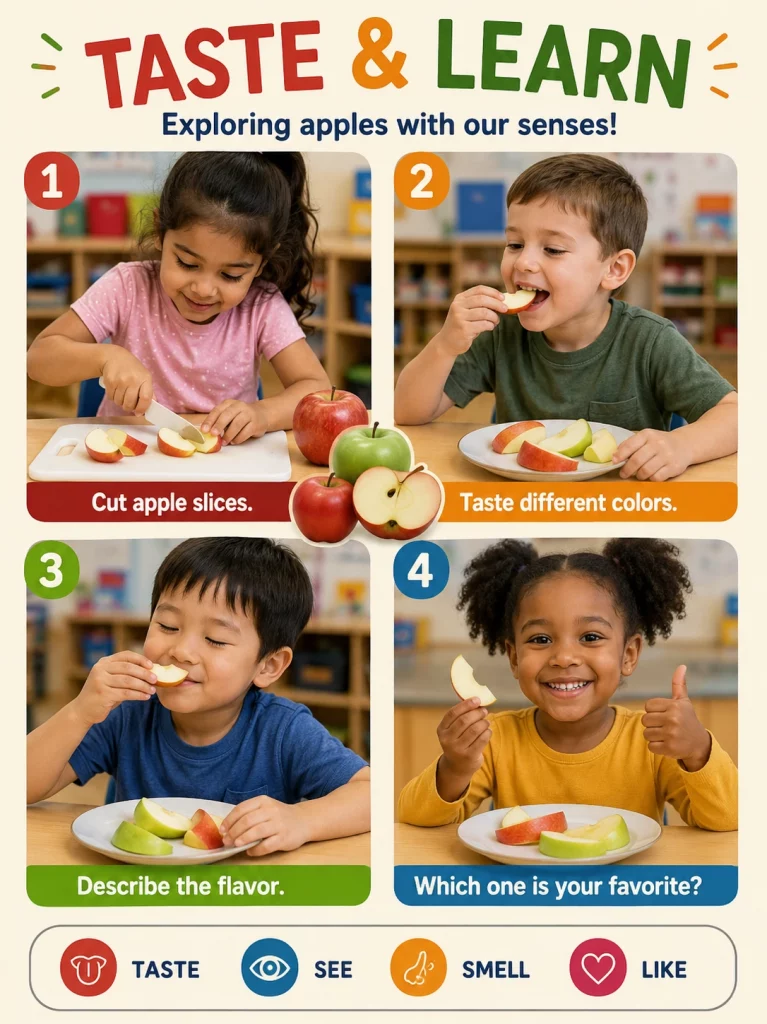
A preschooler can wash vegetables. An older child can mix ingredients, assemble a sandwich, choose fruit for the week, or help plan one family dinner.
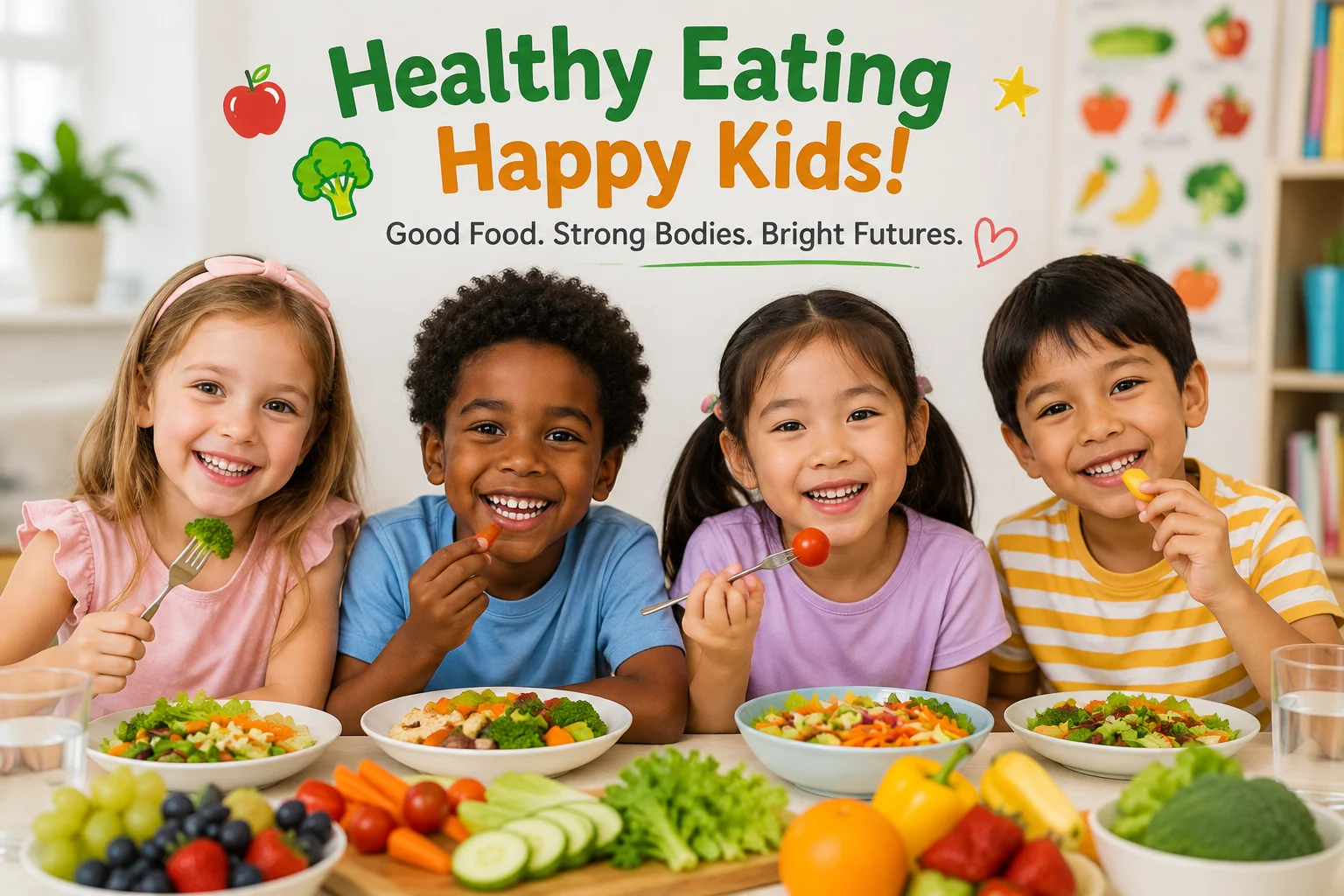
You can also turn meals into colourful combinations: red tomatoes, orange carrots, yellow corn, green cucumber, purple cabbage, blueberries, watermelon, mango, or whatever fresh produce is available locally.
Instead of repeatedly saying, “Eat this because it’s healthy,” talk about what food helps children do.
“Milk and yogurt help support strong bones.”
“Eggs and dal give your growing body protein.”
“Fruit gives us important vitamins.”
“Water helps your body stay hydrated while you’re running and playing.”
Nutrition becomes much more interesting when children connect food with growing, thinking, playing, and feeling energetic.
Family Meals Matter Too
Children learn by watching us.
If adults regularly eat vegetables, drink water, enjoy fruit, and try new foods, those behaviours gradually become normal to children. We don’t need to pretend broccoli is more exciting than birthday cake. We simply need to show that nutritious food is an ordinary and enjoyable part of family life.
Whenever possible, sit together for meals without turning every bite into a discussion about nutrition. Talk about school, funny moments from the day, weekend plans, or something your child is excited about.
Food should nourish the body, but family meals can nourish relationships too.
Avoid Chasing “Perfect” Nutrition
One of the most important things moms can remember is this: a healthy childhood diet doesn’t have to be perfect.
There will be birthday cake.
There will be ice cream.
There will probably be days when your carefully prepared lunch comes home almost untouched.
That’s okay.
Nutrition is about patterns over time, not one snack or one difficult dinner. Instead of labelling foods as completely “good” or “bad,” help children understand the difference between foods we eat regularly because they nourish our bodies and foods we enjoy occasionally.
A relaxed, balanced approach can help children appreciate nutritious food without developing unnecessary fear or guilt around eating.
A Simple Formula for Busy Moms
When planning meals, ask yourself:
Where is the energy food?
Rice, roti, oats, potatoes, whole grains, or another staple.
Where is the protein?
Dal, beans, eggs, yogurt, paneer, tofu, fish, chicken, or meat.
Where is the colour?
Fruit and/or vegetables.
What are we drinking?
Usually water.
It doesn’t need to be fancy. A simple bowl of dal, rice, vegetables, yogurt, and fruit can be just as valuable as a complicated recipe.
Healthy Kids Are Built One Meal at a Time
Feeding children is a long journey, not a daily test of parenting.
Some days your child will happily eat everything. On other days, they may suddenly decide that the food they loved yesterday is now unacceptable. Keep offering variety, maintain predictable meals and snacks, model healthy eating yourself, and give children room to develop their own tastes.
The goal isn’t to raise a child who never asks for chocolate or chips. It is to raise a child who understands that food helps their body grow, knows how to enjoy many different foods, and gradually learns how to make balanced choices.
Healthy eating starts with small habits: one colourful plate, one family meal, one glass of water, and one new food at a time.
Note for parents: Every child has different nutritional needs. Children with food allergies, medical conditions, growth concerns, significant food restrictions, or persistent feeding difficulties should receive individualized advice from a pediatrician or qualified pediatric dietitian.